Pizza Hut Is Being Sold in a $2.7 Billion Deal – Here’s What It Could Mean for the Iconic Chain
Pizza Hut, one of the most recognizable pizza chains in America, is heading into a major new chapter.
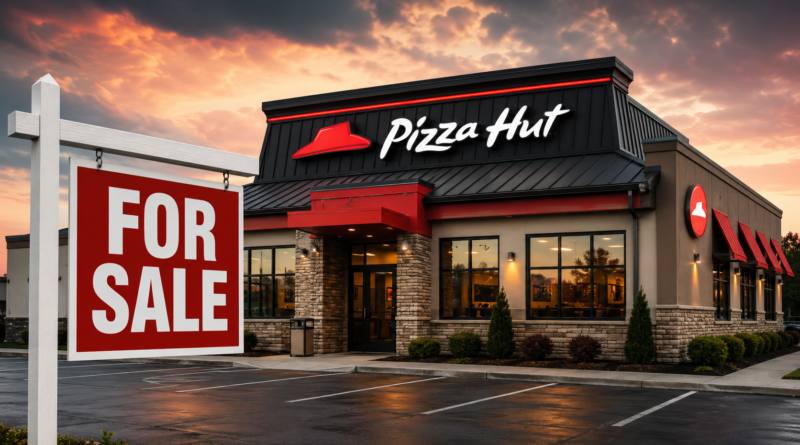
Yum! Brands, the parent company behind Taco Bell, KFC, Habit Burger & Grill, and Pizza Hut, has announced plans to sell Pizza Hut in a deal valued at about $2.7 billion. The move comes after years of challenges for the pizza chain, which has struggled to keep pace with some of its biggest competitors in delivery, digital ordering, menu innovation, and overall sales growth.
Under the deal, Pizza Hut outside of mainland China will be sold to LongRange Capital, a U.S.-based private equity firm, for approximately $1.5 billion. Pizza Hut’s mainland China business will be sold separately to Yum China for approximately $1.2 billion.
For everyday customers, this does not mean Pizza Hut is disappearing. The chain is not closing entirely, and the name is not going away. But the sale could mark the beginning of a noticeable shift in how the brand operates, grows, and competes in the future.
Pizza Hut has been part of American food culture for decades. Founded in 1958 in Wichita, Kansas, by brothers Frank and Dan Carney, the chain became famous for its red-roof restaurants, pan pizza, Book It! reading program, lunch buffets, personal pan pizzas, and family pizza nights. For many people, Pizza Hut is not just another pizza chain — it is tied to childhood memories, birthday parties, arcade games, and dine-in restaurants that felt like a treat.
But the pizza business has changed dramatically.
Today, customers are ordering more food through apps, choosing convenience over dine-in experiences, and comparing pizza chains based on speed, deals, digital rewards, and delivery reliability. Domino’s has become especially strong in those areas, while Pizza Hut has faced pressure from both national competitors and local pizza shops.
Yum! Brands had already been reviewing what to do with Pizza Hut before the sale was announced. The company began exploring strategic options in November 2025 after declining sales and underperformance. In the U.S., Pizza Hut has also been working through store closures, including a previously announced plan to close 250 locations.
That does not necessarily mean the brand has failed. It means Pizza Hut may need a different kind of ownership and investment strategy than Yum! Brands is willing to provide right now.
Yum! CEO Chris Turner said the sale will allow Yum! Brands to become a more focused company while giving Pizza Hut new ownership with restaurant industry experience. LongRange Capital, the firm buying Pizza Hut outside mainland China, was founded by Bob Berlin, who previously helped lead a turnaround at Arby’s. That detail matters because it suggests the buyer may be looking at Pizza Hut as a brand that still has value but needs rebuilding.
For customers, the biggest question is simple: Will Pizza Hut change?
Right now, there is no confirmed announcement about major menu changes, name changes, or immediate customer-facing changes. However, when a major restaurant brand changes ownership, several things can happen over time. The new owners may look at restaurant design, delivery strategy, menu pricing, rewards programs, marketing, and underperforming locations. They may also try to bring back nostalgia, modernize stores, or compete harder with deals and online ordering.
Pizza Hut still has a powerful name. Even people who have not ordered from the chain recently usually know the brand. That kind of recognition is valuable. The challenge is turning that nostalgia into modern sales.
The sale is also a reminder of how competitive the fast-food and fast-casual restaurant world has become. Customers have more choices than ever, and loyalty is not automatic anymore. A brand that once dominated family pizza night now has to fight for attention against delivery apps, frozen pizza, local restaurants, TikTok food trends, and competitors with stronger digital platforms.
Still, Pizza Hut has something many brands would love to have: history, name recognition, and emotional connection. The right refresh could help the chain reconnect with customers who grew up loving it while also attracting younger diners who may not have the same memories of the old-school Pizza Hut experience.
For now, Pizza Hut fans do not need to panic. The deal is about ownership, not the immediate end of the chain. But it is a major business move, and it could shape what Pizza Hut looks like in the years ahead.